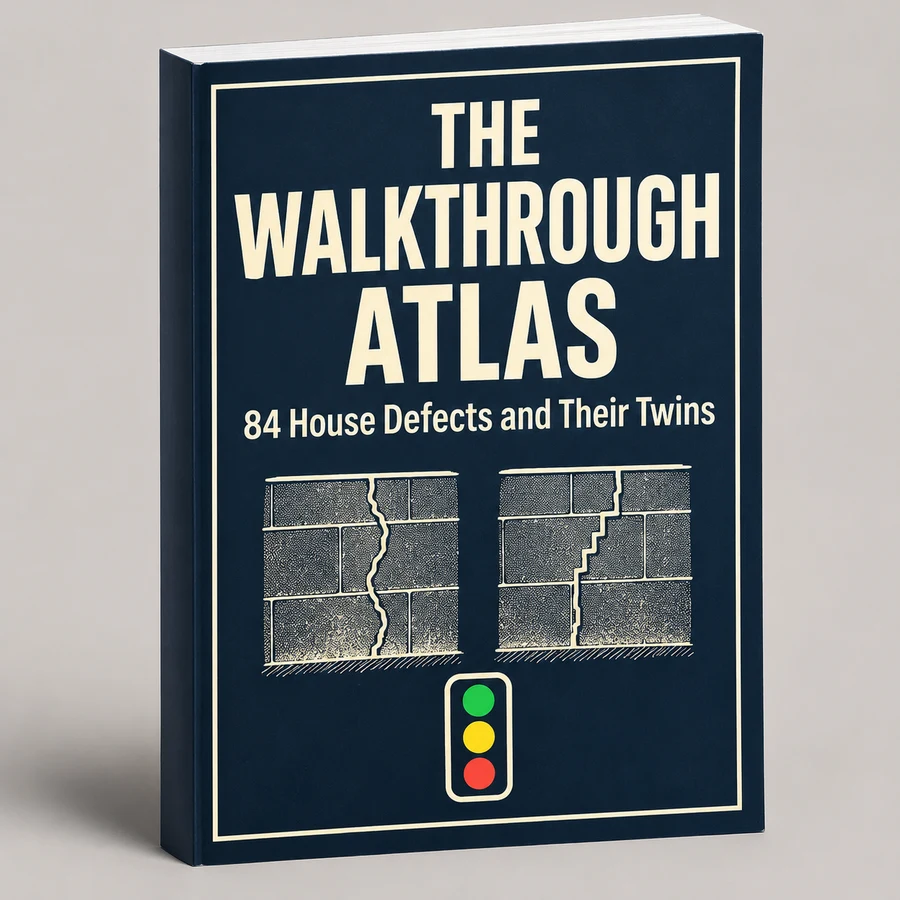
The visual field atlas: 84 house defects, each one next to the twin it gets confused with, plus a quote sheet and a starter kit, so you can stop guessing in the basement, call it in 30 seconds and bill the walkthrough as side work on your own time.
“someone that actually does construction everyday will be better able to spot REAL problems with the house.”
“I definitely got tired of doing 'free estimates' for lookie loos”
Contractors post what they charge just to walk a property: $197 with a feasibility report, $250 with a brief report, $300 to give a recommended course of action. Landlords pay for property inspections every year. People pay to know what they're looking at. You've been telling them for free.
“You'd be better off paying a contractor to walk the property, you won't get the fancy little report and checklists”
An investor on BiggerPockets
Prices: contractor posts on BiggerPockets, iPropertyManagement and HomeAdvisor data via Amerisave, read November 4, 2026. Your area sets the price.
Most house defects have a twin: it looks almost the same, has a different cause and needs a different fix. None of this is a skill problem. It's a reference problem.
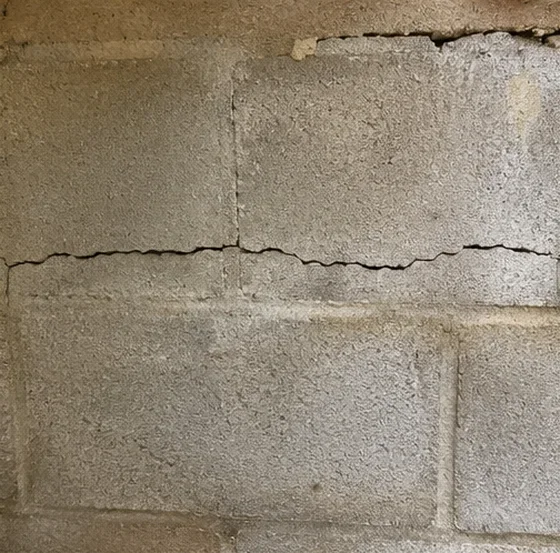
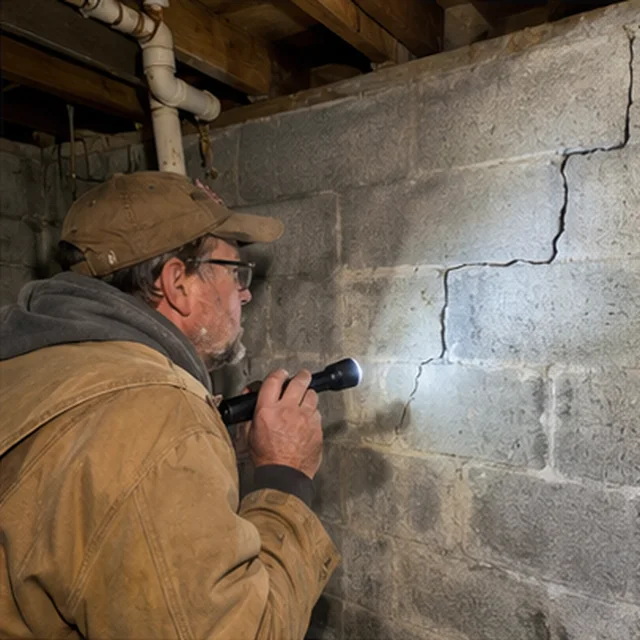
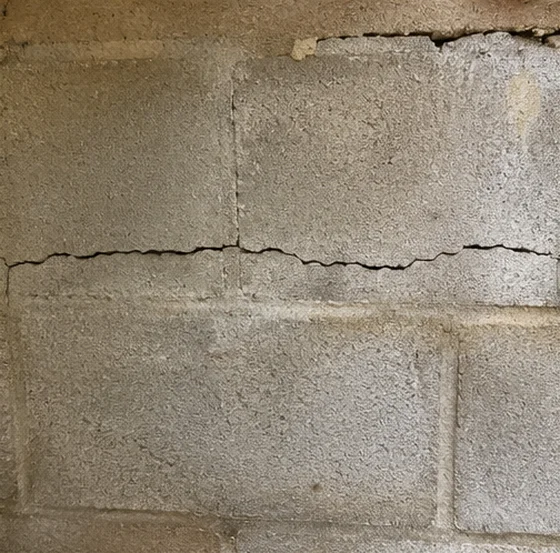
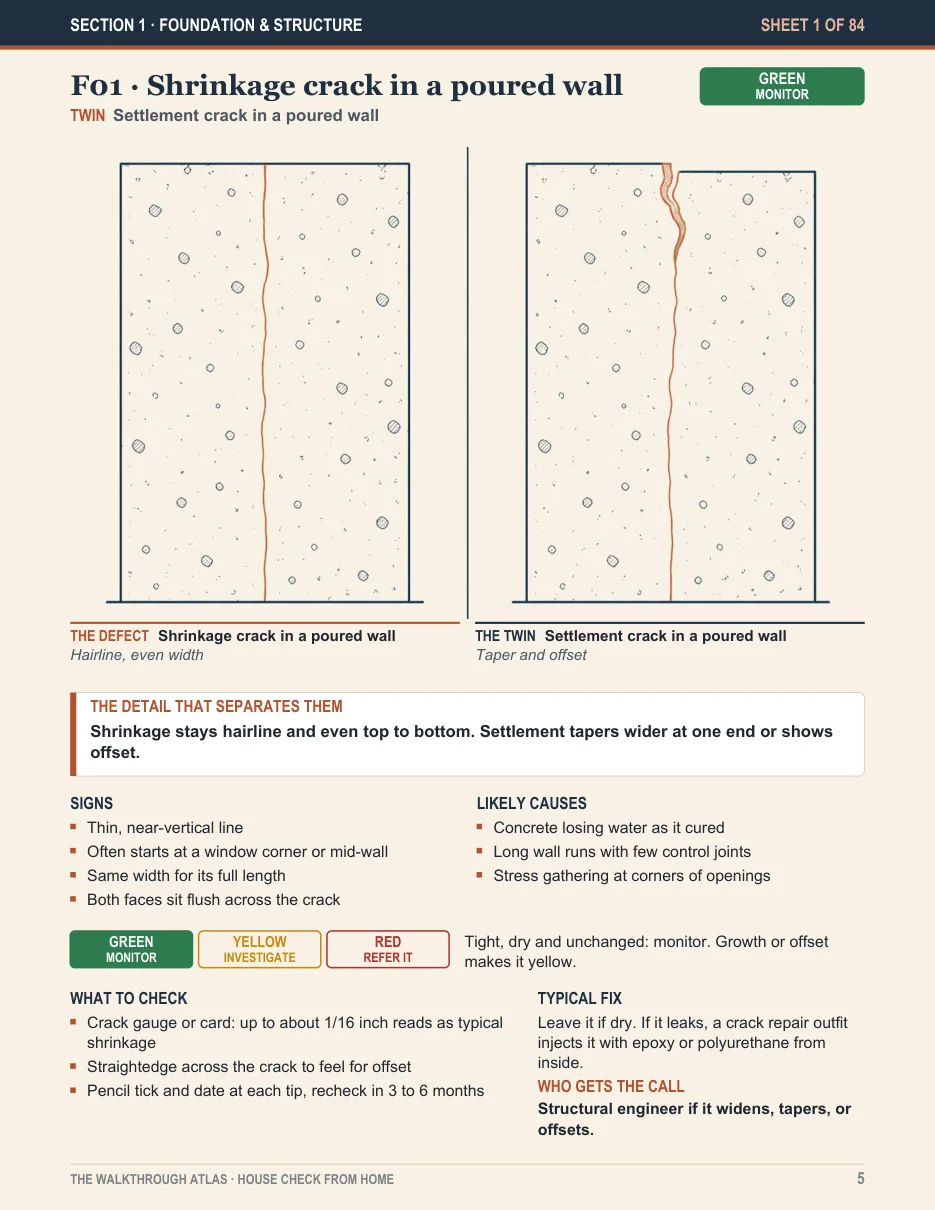
Shrinkage you can watch, or settlement that goes to a structural engineer? The width from top to bottom tells you.
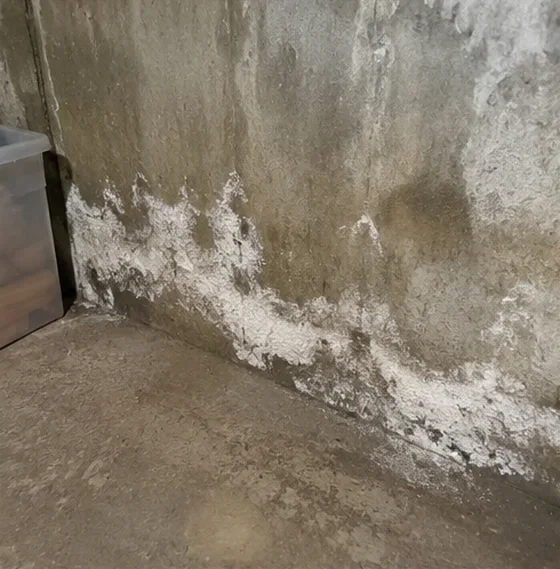
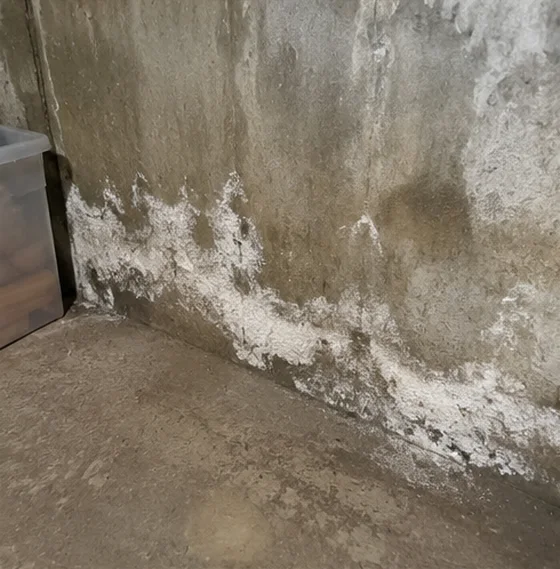
Seepage from outside, or condensation a dehumidifier fixes? A square of foil and 48 hours tells you.
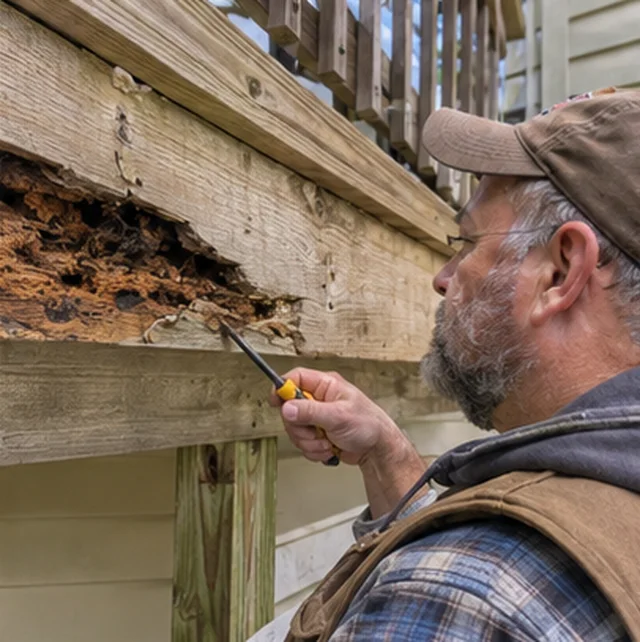
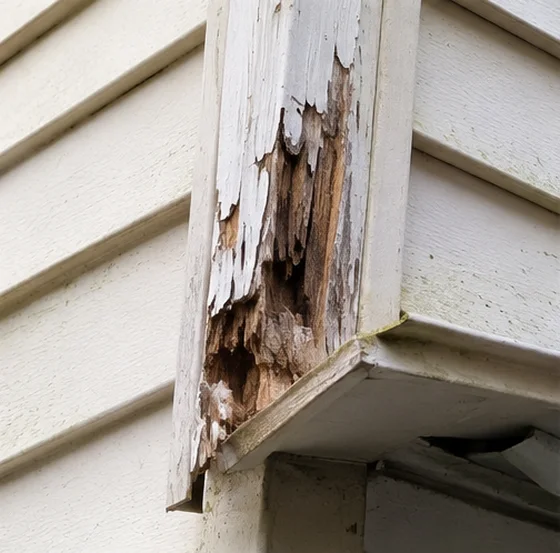
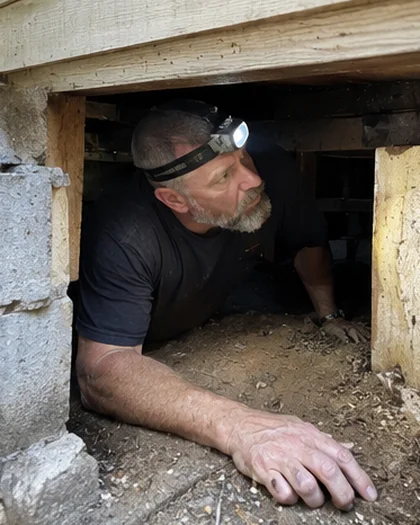
Rot, or termites that need licensed pest control? The way the wood comes apart tells you.
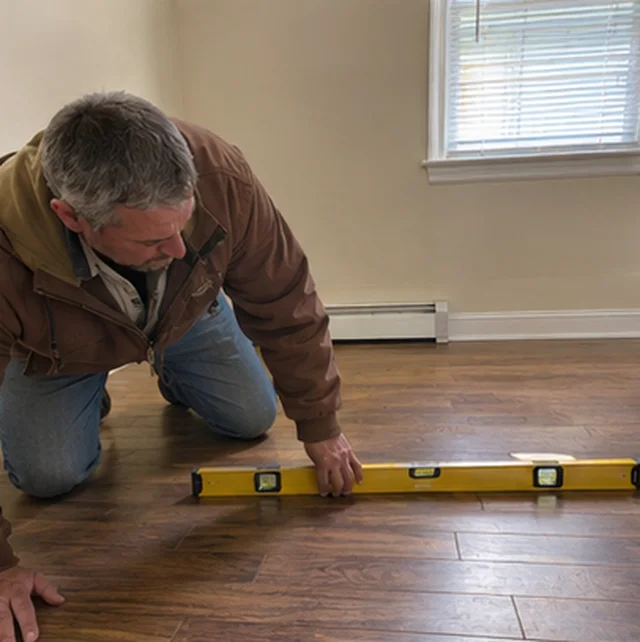
An old house that's just out of level, or movement that's still going? What changed this year tells you.
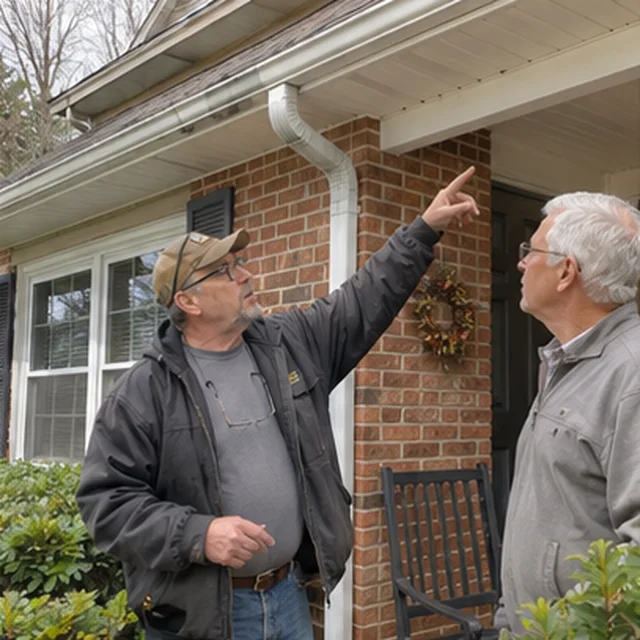
Ice dams, thaw water, deck season, gutters and furnaces. Each one sends people looking for a guy who can tell them if it's bad, and the ones who get the call are the ones who can answer on the spot.
Enough time to read your first section tonight, walk your own house this weekend and have the one-page sheet ready before the next call comes.
Extra income starts with what you've already got: years on job sites. Every sheet opens with the visible sign, then the twin to rule out. You look, you compare, you call it.
Open the sheet on your phone, right there at the wall. The one detail that separates the twins is on the page, and the traffic light says monitor, investigate or refer it.
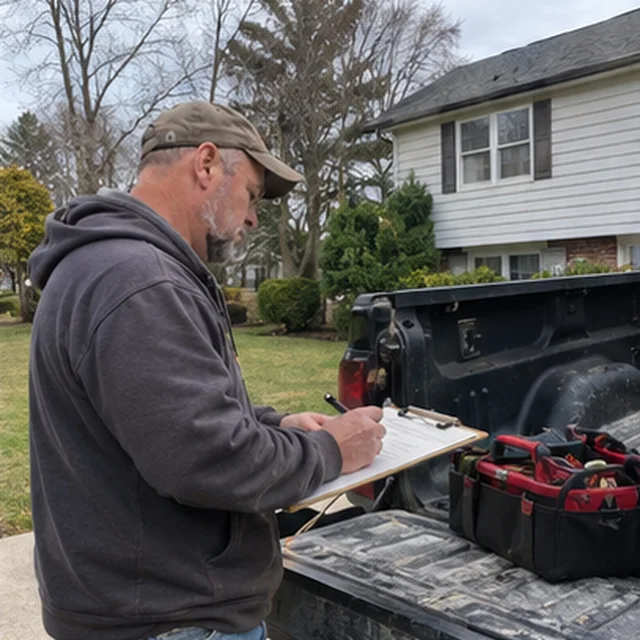
No stock, no shop, no crew. A walkthrough is about an hour on site and a one-page sheet. The Starter Kit shows you how to price it, so your opinion stops being free.
$27 for the Atlas, plus a flashlight, a tape and your phone. A cheap moisture meter helps. No certification course, no new tools, no roof walking.
⚠️ Read this first. The Atlas is a visual reference. A walkthrough is not a licensed home inspection, a structural evaluation or a pest inspection, and many states license home inspectors. Check your state's rules, stay inside your own trade, keep it tied to repairs for people who already own the house and send every red flag to a licensed pro.
Houses don't take an off-season. There's always a stain, a crack or a soft spot somewhere near you.
🏠 Homeowners · 🔑 Landlords · 🔨 Flippers · 👴 Older neighbors · 🧾 Property managers · 🚚 Contractors · 🏚️ Inherited houses · ☎️ Word of mouth
$50–200One stain, one crack, one question. You stop by, you look, you tell him the color and what to do next.
$200–300Top to bottom, room by room, for the owner, the landlord or the flipper, with the one-page sheet and a repair quote. And the repairs are yours to bid if you want them.
Open the Atlas and walk your own house with it. If it isn't for you, send one email within 7 days and we'll refund you in full. No forms, no hassle.
Same guy, same truck. He just stopped giving it away.
Dale ›
Mike ›
Ron ›
One evening. Start with Foundation & Structure: it's the one people worry about most and the one that brings the phone calls.
Flashlight, tape and the checklist, room by room. Fill out the one-page sheet on your own place so you know how it runs.
The Starter Kit walks you through the number. Send the message from the kit to people who already know your work: past customers, landlords, the guys who hand you jobs.
Walk it, hand over the sheet, get paid. Then quote the repairs.
That's it. One week. And what you've been giving away for free has a price on it.
Every one of these uses the same sheets, the same checklist and the same one-page report.
Repair walkthroughGoes for $50–200
Second look at a repairGoes for $50–200
Rental turnover checkGoes for $100–300
Landlord property checkGoes for $75–150
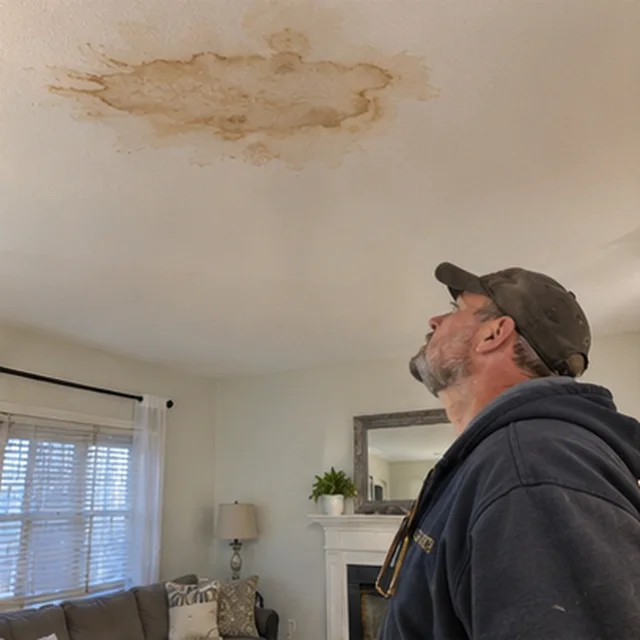
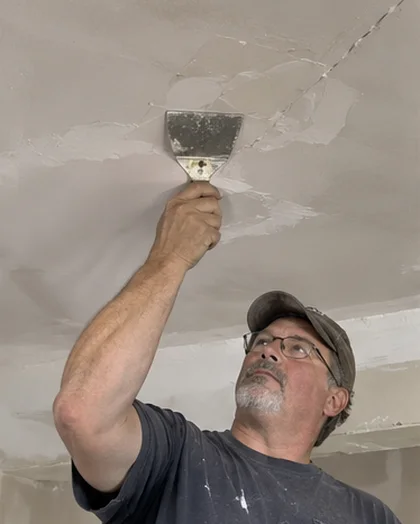
Ceiling stain checkGoes for $50–200
Repair scope for a flipperGoes for $200–300From the footing to the ridge, 84 sheets with the same layout, so you always know where to look.
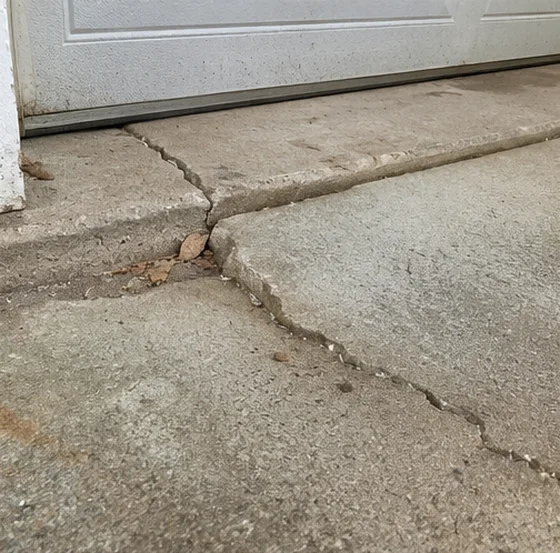
Shrinkage against settlement, stair-step cracks, horizontal cracks in block walls, bowing, slab heave, sagging beams, cut joists and sill rot. The section that decides what's a watch and what goes to an engineer.

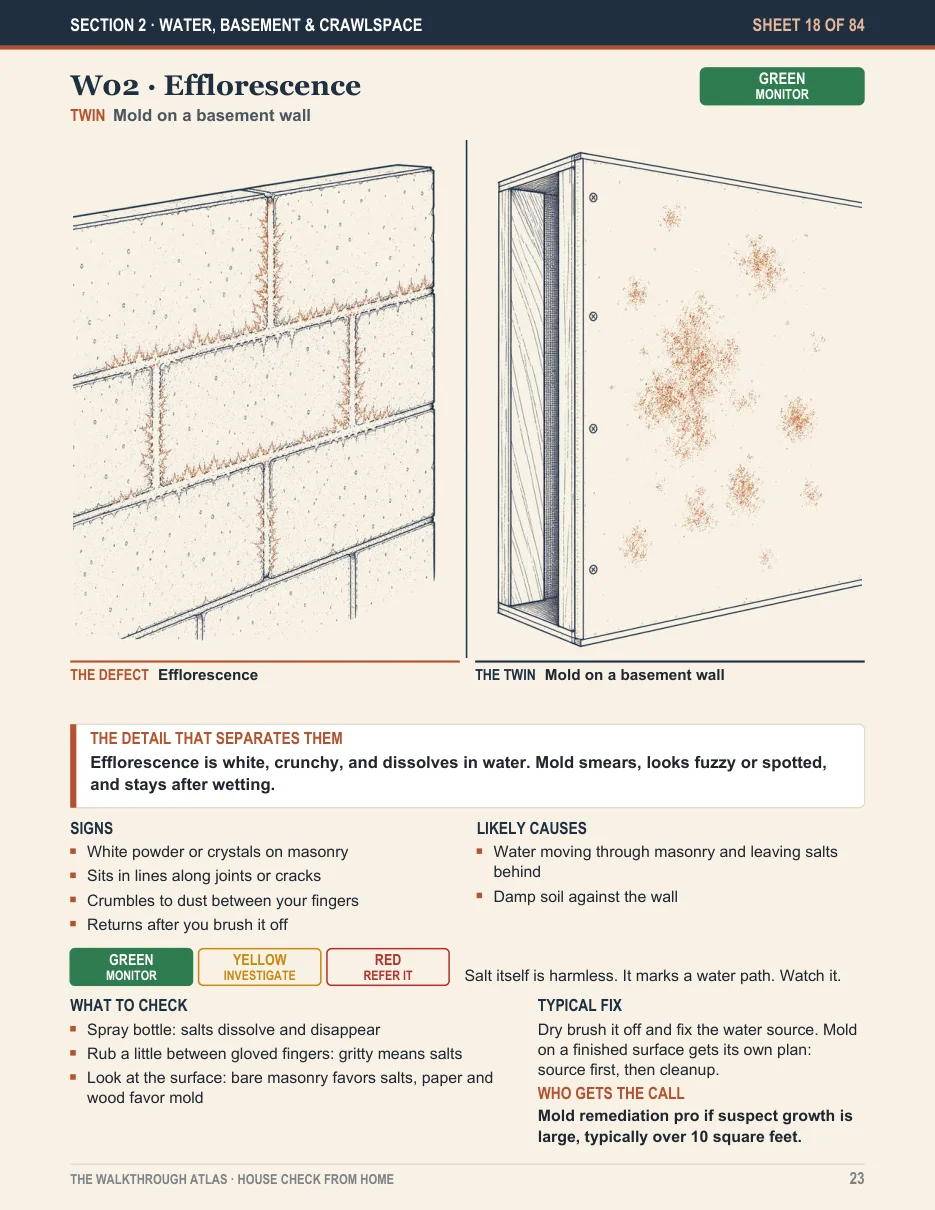
Seepage against condensation, efflorescence against mold, cove-joint leaks, wet crawlspaces and sump problems. Most hidden damage starts with water, and this is where you learn to read it.

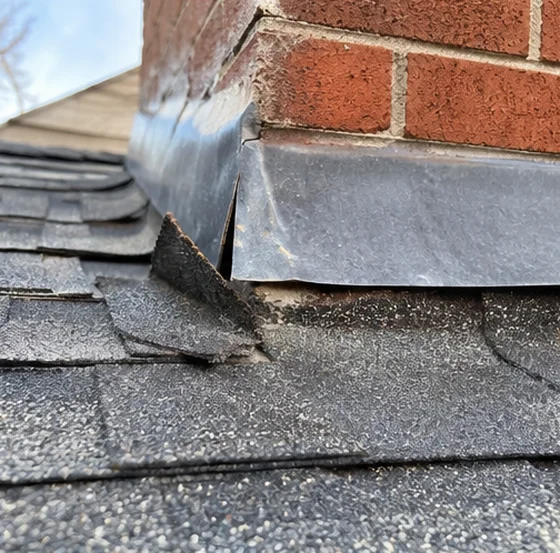
Granule loss against hail, ice dams against flashing leaks, attic condensation, bath fans venting into the attic and ridge sag. All of it readable from the ground, the eaves and the hatch.

Kick-out flashing, siding rot, stucco moisture, window leaks, spalling brick and deck ledgers. The sheets you'll use on the walk up to the front door.

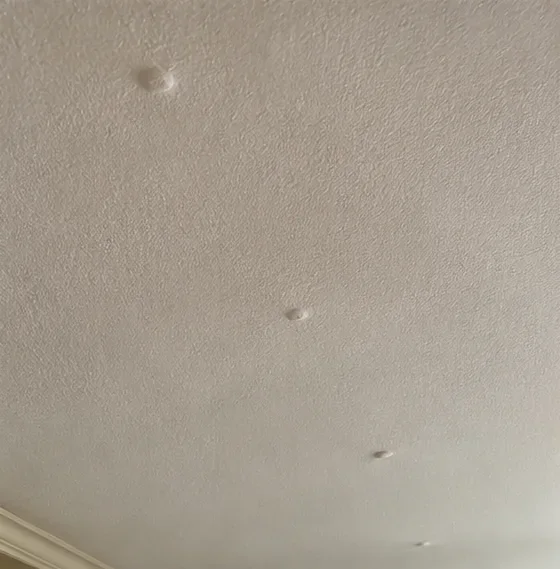
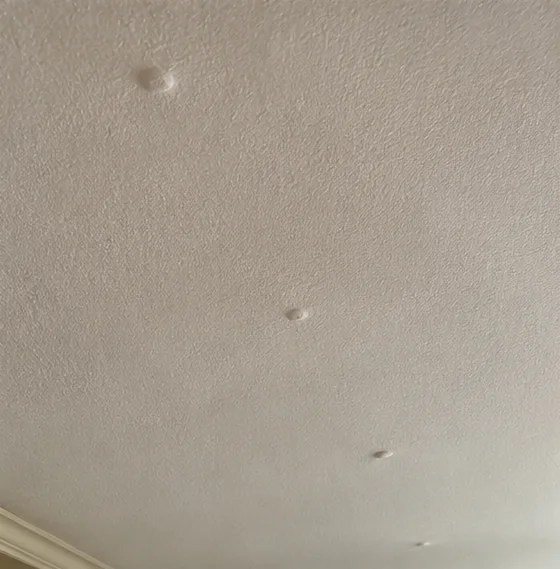
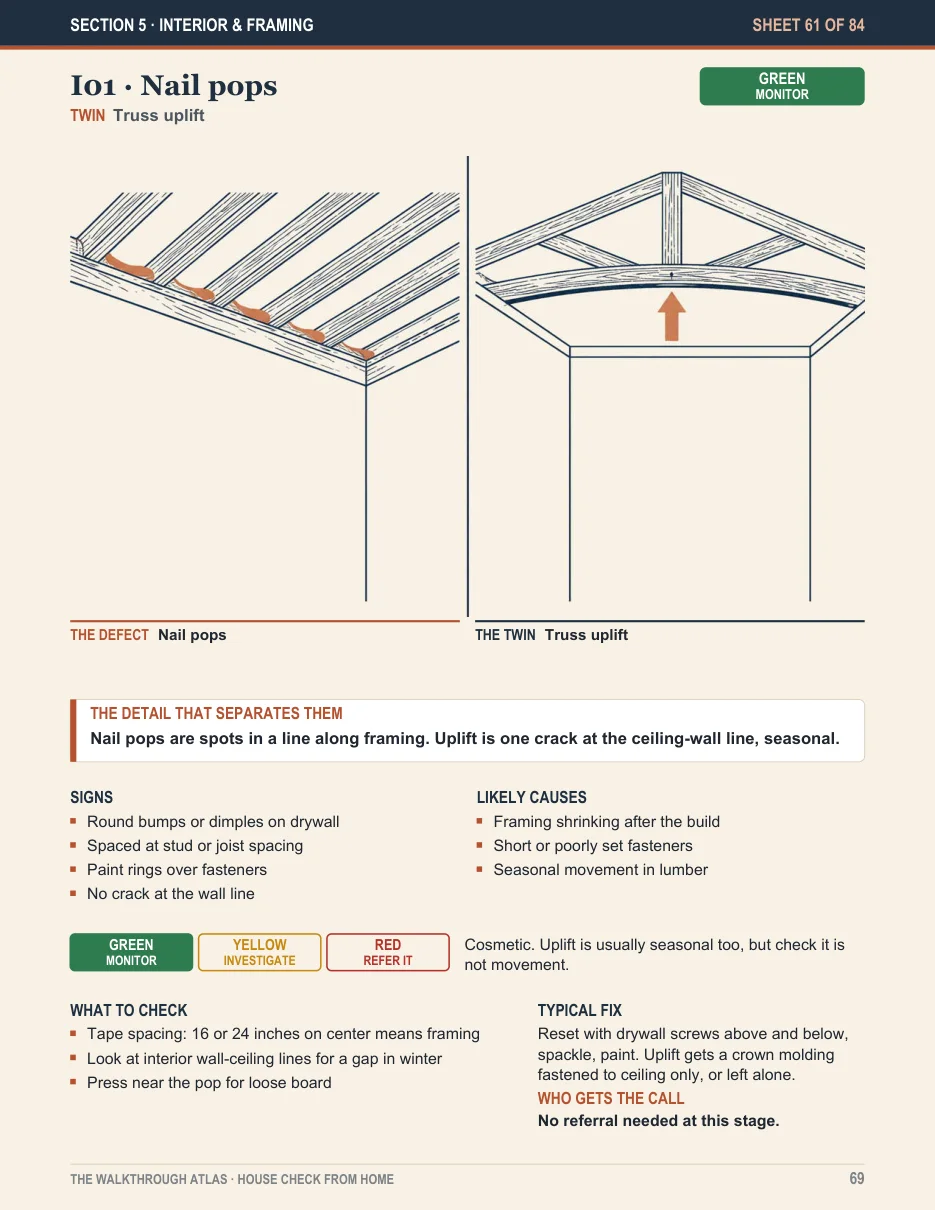
Nail pops against truss uplift, sloping floors, sticking doors, ceiling stains, soft subfloors and termite mud tubes. What the homeowner points at first when you walk in.

Garage slabs, driveways, steps and stoops, retaining walls, trees, garage fire doors and water heater pipes. The ones nobody thinks about until they fail.

Your extra income starts here: the room-by-room checklist, the one-page sheet with 5 sample write-ups, and the kit that shows who to call, what to say, what to charge and which words you can use. And The 12 Red Flags, so you know when to stop and hand it off.

The same layout on all 84 sheets: the defect, its twin, the color and what to check next.


The same questions, on every job site in the country.

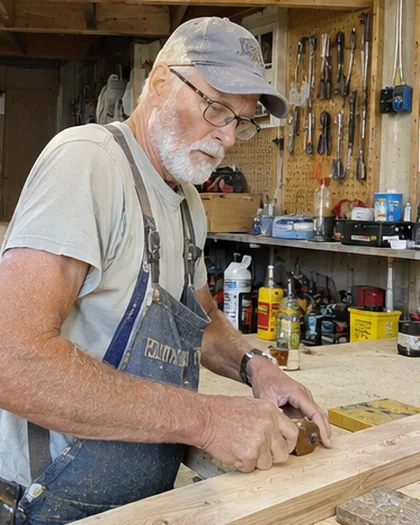
“where do busted up, old broken carpenters go other than management and still use the skills i’ve learned over the years.”
bjr · Fine Homebuilding
“I realize that at some point I won’t physically be able to climb and crawl like I can now”
bhull1 · InterNACHI
“Well about 9 months later it cracked along the same lines as the original crack!”
joejoyce · Fine Homebuilding
“put your skills and knowledge to work instead of your back”
xMikeSmith · Fine Homebuilding
“Since then they have called almost monthly saying they still have a leak.”
DanT · Fine Homebuilding
“I sometimes walk with a limp from bad knees. I wised up too late.”
Mike_Shultz · Fine Homebuilding
“by 34, I knew that I had to seek a way out of actively building or face disc failure.”
Andy_Engel_ · Fine HomebuildingNo. This is a digital atlas: you get instant access to every sheet and bonus in your online library the moment you pay. Nothing is shipped, so there's no waiting and no shipping cost. Open it on your phone or print it.
Many states license home inspectors, and in those states you can't sell a home inspection without one. The Atlas is not that. It's a visual reference for repair walkthroughs and repair scopes, tied to your own trade, for owners, landlords and flippers who already hold the house. If someone is about to buy, send him to a licensed inspector. The Starter Kit shows the wording to use and the wording to stay away from. Rules change by state, so check yours before you sell anything.
No. It's a tool for a first visual look. Every red flag goes to a structural engineer, licensed pest control or the right licensed trade, and local codes always apply. The 12 Red Flags tells you when to stop.
Yes. Every sheet starts from what you can see, not from theory. The traffic light tells you when to monitor, when to investigate and when it's somebody else's call.
There are, one defect at a time, usually from a company that wants to sell you the repair. Here each defect sits next to its twin, with the one detail that separates them and what to do next, on a single page.
Clean line drawings, so the crack, the stain or the flashing you need to see is the only thing on the page. They show the defect and its twin side by side, each one named.
Yes. Wood framing and drywall, poured and block foundations, basements and crawlspaces, asphalt shingles, stucco, decks. All in inches.
It depends on your area, your trade and your hours. The prices on this page are market ranges, and a walkthrough can also lead to repair work you'd bid on anyway. Results are not guaranteed. You may earn nothing.
Landlords, flippers and owners who've already paid once for the wrong repair. Contractors on investor forums post $197 to $300 for a property walk with a brief report, and a lot of them credit it back if they get the job. A hundred bucks to know what you're looking at is cheap next to a repair that doesn't fix it.
A phone, a flashlight and a tape. A pin moisture meter and a crack gauge help, and they're cheap. Nothing in the Atlas asks you to walk a roof.
You start with people who already trust your work: past customers, landlords, flippers, the guys who pass you work. The kit gives you the exact messages, and it costs you nothing but a few texts.
That's why the sheet you hand over says what a walkthrough is and what it isn't, and why the red flags go to a licensed pro. You write down what you saw, you don't guarantee what you didn't.
This isn't one of those. No stock, no recruiting, no apps. It's your trade, with a price on the part you've been doing for free.
Yes. Checkout is secure, your access link arrives by email the moment you pay, and you're covered for 7 days.
Your purchase is covered for 7 days. Open the Atlas, walk your own house, and if it isn't for you, send us one email and we'll refund you in full.